
Manassas, VA · Garage Door Service
Openers and Power Outages in Manassas Homes
Manassas homes built around 1982 often run original chain-drive openers with no battery backup. Here's what that means when the power drops and the cold sets in.
- Repairs & new doors
- Springs & openers
- Serving 7 nearby communities
The Situation
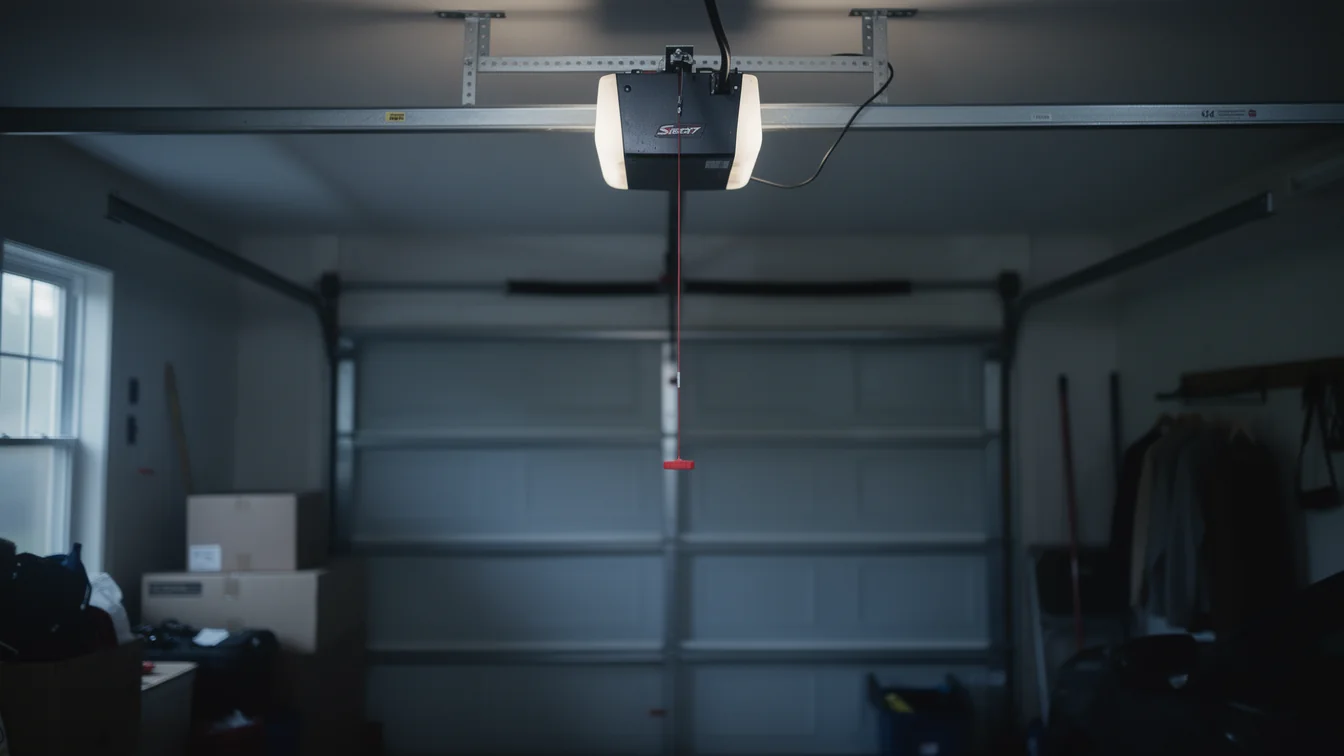
Housing in the Manassas service area spans 1940 to 2015, but the median build year sits at 1982, and most of the stock across the 46 named areas we cover dates from the 1980s and 90s. That matters for openers more than people think. A house built in 1982 is on its second or third opener by now if the owner's kept up with it, or it's still running whatever got bolted to the ceiling joists in the Reagan years - a chain-drive unit with no battery backup, no Wi-Fi, no rolling code, and a drive gear that's due to strip. We see a lot of both. The newer builds from the 2000s and 2010s usually came with openers that at least have a manual quick-release and sometimes a battery pack built in. The older ones didn't, and nobody retrofits that unless the opener dies and gets replaced. So when the power goes out in a 1980s-stock house, the owner is standing at a dead garage door with a cord they may never have pulled, in a system that was never built to fail gracefully. That's the starting point for everything else in this piece.
When to Call Someone
If your opener hums but the door doesn't move, that's usually the gear set, not the motor - common on units old enough to match this area's median 1982 build year. Don't keep hitting the button; it just grinds the gear to dust faster. If the door won't respond at all during a power outage, first find the manual release cord (it hangs from the trolley on the track) and pull it straight down to disengage the carriage, then lift the door by hand. That's a safe move on a properly balanced door. It is not safe if the door is heavy, off-balance, or the springs are already tired - in that case the door can drop fast once it's disengaged, and that's a call-someone situation, not a DIY one. We'll also say plainly: if your opener is original to a house from the 80s or 90s, we're not going to talk you into repairing a worn-out gear set for the third time. Past a certain age, replacement with a battery-backup unit costs less over time than chasing parts for a motor that was discontinued decades ago.
Season by Season
This region sits in a cold-severe climate band, and that shapes the opener calendar more than most owners expect. Fall is when we get the most calls about openers suddenly struggling - temperatures drop, chain lubricant thickens, and a gear set that's been marginal all summer finally quits under the added resistance. Winter is the power-outage season: ice and wind take down lines, and that's exactly when a battery-backup opener earns its keep, since the door still opens and closes a set number of cycles on battery alone. Spring brings moisture into the picture - condensation on older circuit boards, especially in detached garages without heat, which can cause intermittent remote failures that look electrical but are really just damp contacts. Summer is the quiet season for openers here; it's the one stretch where we're usually dealing with springs and tracks instead. If you're going to schedule a look at an aging opener before it fails on you, early fall, ahead of the first real cold snap, is the better window than waiting for a January outage to force the issue.
What the Weather Here Does to It
Cold-severe conditions do two specific things to openers in this area. First, standard lead-acid battery backups lose a real chunk of their capacity below freezing, so a unit that's rated for a dozen open-close cycles on battery might only manage a handful once the garage drops near 32 degrees - which is exactly when you need it most, during a winter outage. Second, repeated freeze-thaw cycles stress the plastic drive gear inside chain and belt-drive openers, the same gear that's often original equipment in houses built around this area's 1982 median. Contraction and expansion over enough winters is what finally cracks it, not one bad night. We don't have manufacturer-specific failure data to hand you a year number, but the pattern holds across the stock we see: openers from the 80s and 90s stock that are still on their first motor are the ones showing up with stripped gears every fall and winter. If yours is in that bracket, we'd rather tell you that now than after it fails during an outage with family sitting in a cold car in the driveway.
Frequently asked questions
Will my garage door still open if the power goes out?
Only if your opener has a battery backup, and even then, cold weather cuts into how many cycles that battery can manage. Without one, you'll need to pull the manual release cord hanging from the trolley and lift the door by hand, which is safe only if the door is properly balanced and not unusually heavy.
Why did my opener suddenly get weak or loud this fall?
Cold-thickened lubricant and a gear set that's been wearing down all summer tend to collide right as temperatures drop. It's the most common seasonal call we get in this area, especially on openers old enough to be original to 1980s or 90s-built homes.
Is it worth repairing an old opener instead of replacing it?
Sometimes, but not always. If the motor's original to a house from the area's 1982 median build era and the gear set has already been replaced once, a new battery-backup opener usually costs less over the next several years than repeated repairs on a discontinued unit.
Do you serve areas outside Manassas itself?
We cover the surrounding area including Manassas Park, Sudley, Bull Run, Yorkshire, Clifton, Nokesville, Fairfax Station, Haymarket, and other nearby communities within roughly a 16-mile radius.
Related garage door services in Manassas
More garage door guides
Book garage door service in Manassas
Call now or request a quote - tell us what the door is doing and where you are.